
Dusty’s Plan


Launch
South Dakota
Strong
Schools


Property Tax
Relief
Real Food,
Real Freedom

No Phones
in Schools
Data Centers
Done Right

Safer South Dakota
Launch South Dakota
As Governor, Dusty will invest $2 million from the Future Fund into Launch South Dakota, a new initiative to grow the state’s economy from the ground up by helping more South Dakotans to turn their ideas into thriving local businesses.
The investment would represent the largest one-time commitment to entrepreneurship in state government history.
Launch South Dakota includes a variety of pro-entrepreneurship policies, including:
-
The existing proof of concept programs assist a small number of early-stage entrepreneurs in limited fields with $25,000. Johnson will increase both the number and size of these awards, including the creation of a second $25,000 follow-on grant once key milestones are met. The program will be broadened to better support software, technology, and artificial intelligence startups, which will help South Dakota play a larger role in the growing knowledge economy.
-
A Johnson administration will expand support for venture development organizations that provide startup coaching and mentoring for high-growth South Dakota startups. Existing organizations, such as the Enterprise Institute, Startup Sioux Falls, and Wildfire Labs, help South Dakota founders move from concept to customer, often in less than a year. Launch South Dakota will use a competitive process to select both existing and new accelerator programs to expand these services and support more founders statewide.
-
South Dakota’s long-running Giant Vision Business Plan Competition gives entrepreneurs the opportunity to compete in a “Shark Tank”-style competition, where finalists pitch their business for a chance to win $20,000 in startup funding. Johnson will increase the prize pool and significantly expand the event’s marketing to attract more participants and spark greater entrepreneurial interest across the state.
-
South Dakota put its entire $60 million federal State Small Business Credit Initiative allocation into a loan program, missing the opportunity to give high-growth startups the equity capital and technical assistance they need to launch and scale. Most states used at least some of those dollars for venture development for founders. For example, Wyoming used all $58 million of its allocation for venture activities. Johnson will ensure current and future federal funds allocated to South Dakota under these programs will be utilized to their full potential.
"Strong Schools" Plan to
Improve Education
"Strong Schools” is a set of policies designed to strengthen South Dakota’s schools, improve student achievement, and recognize skilled trades as a pathway to success. “Strong Schools” has three elements:
-
Governor Rhoden recommended, for the first time in state history, that K-12 education would not be the largest item in the state budget. Through conservative, priority-based budgeting, Johnson will restore education as South Dakota’s top budget priority.
-
Johnson will work with educators and families on plans for improving achievement in literacy and mathematics, particularly at the grade school and middle school levels. The effort will refocus achievement efforts on foundational skills and will be in collaboration with those closest to South Dakota’s students – parents and teachers.
-
This plan will create a clear graduation pathway that permits students to take skilled trade courses as equivalents to upper-level math and science, acknowledging that many skilled courses require applied science and mathematics. Johnson recognizes the importance and merit of technical education and this skilled trade pathway will give students practical education on another pathway to success.

Property Tax Relief
Dusty has a comprehensive and responsible plan to deliver meaningful property tax relief to South Dakota homeowners beginning in 2027, making homeownership more affordable for seniors, hardworking families, and first-time homebuyers across the state.
His plan is fully paid for by using funds from the sales tax change in current law, which comes into effect in 2027. The fiscally responsible property tax relief plan includes the following:
-
Beginning in tax year 2027, every South Dakota homeowner would receive a $400 per-property tax credit, directly reducing their annual property tax bill. For a middle-class homeowner paying $2,000 per year in property taxes, the credit represents a 20% property tax cut.
-
Young families are finding it increasingly difficult to buy their first home. Under Johnson’s plan, nearly all first-time homebuyers would receive a larger credit which would zero out property taxes for the first two years of homeownership.
Real Food, Real Freedom
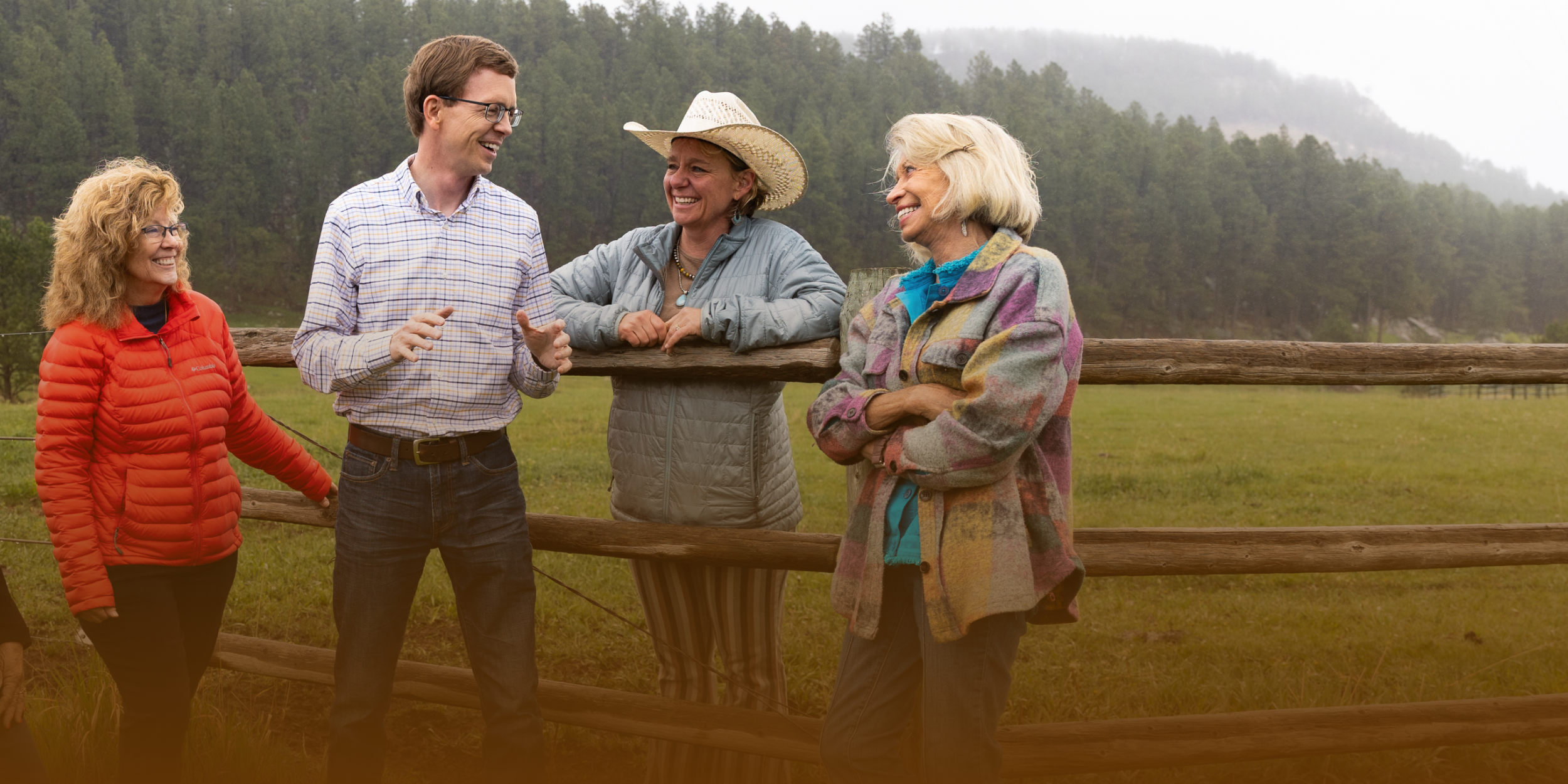
Dusty’s "Real Food, Real Freedom" is an innovative plan designed to ensure nutritious food is available to all South Dakotans. The initiative focuses on personal responsibility, local agriculture, and smart state policy to strengthen families and communities.
"Real Food, Real Freedom" consists of three pillars:
-
Pop and candy would be eliminated from the list of items that can be purchased through the Supplemental Nutrition Assistance Program (SNAP) in South Dakota. South Dakota would request a federal waiver to redirect benefits toward milk, protein, fruits, vegetables, grains, and other wholesome foods. Johnson supports legislative efforts, including a plan soon-to-be announced by Rep. Taylor Rehfeldt (R-Sioux Falls) and Sen. Sydney Davis (R-Burbank) to establish the framework for pursuing the waiver.
-
The plan would cut red tape on local producers, from small-scale vegetable growers to ranchers selling meat directly to families. Johnson pledges to enable expanded local-producer sales to grocery stores, simplify licensing and labeling rules for small processors and direct-to-consumer sales, and modernize inspection laws to make it easier to sell vegetables and locally processed meat while maintaining food safety.
-
"Real Food, Real Freedom" will encourage and incentivize schools to serve local beef, pork, chicken, and other locally grown meat in school lunches, building off Johnson's congressional work in this space. The initiative will bring education, agriculture, meat processing, and nutrition leaders together to ensure flexibility for local school districts and connect producers directly to food-service buyers.
No Phones in Schools
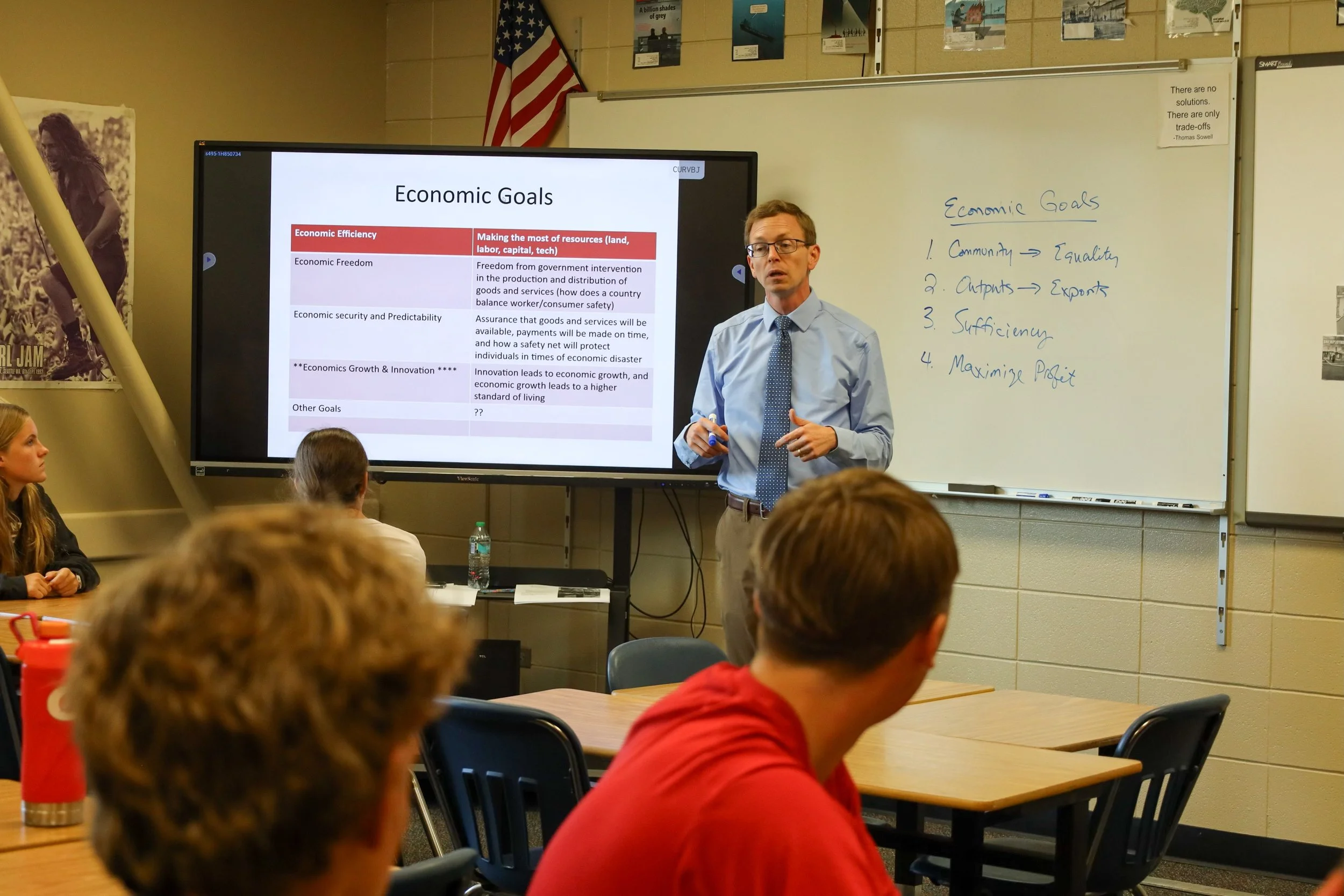
Dusty Johnson is committed to banning cell phones during K-12 instructional time. South Dakota is one of 17 states that has failed to take statewide action to address cell phone use in schools.
According to a 2024 Pew Research Center survey, 72% of U.S. high school teachers say cell phone distraction is a major problem in the classroom. A more recent survey states 74% of U.S. adults support banning middle and high school students from using cell phones during class. Numerous studies have shown more than a 5% increase in student test scores when cell phone bans are implemented.
As Governor, Johnson will work with public school districts to implement policies that prohibit cell phone access by students during instructional time. Decisions regarding exemptions and enforcement will be made at the local level.
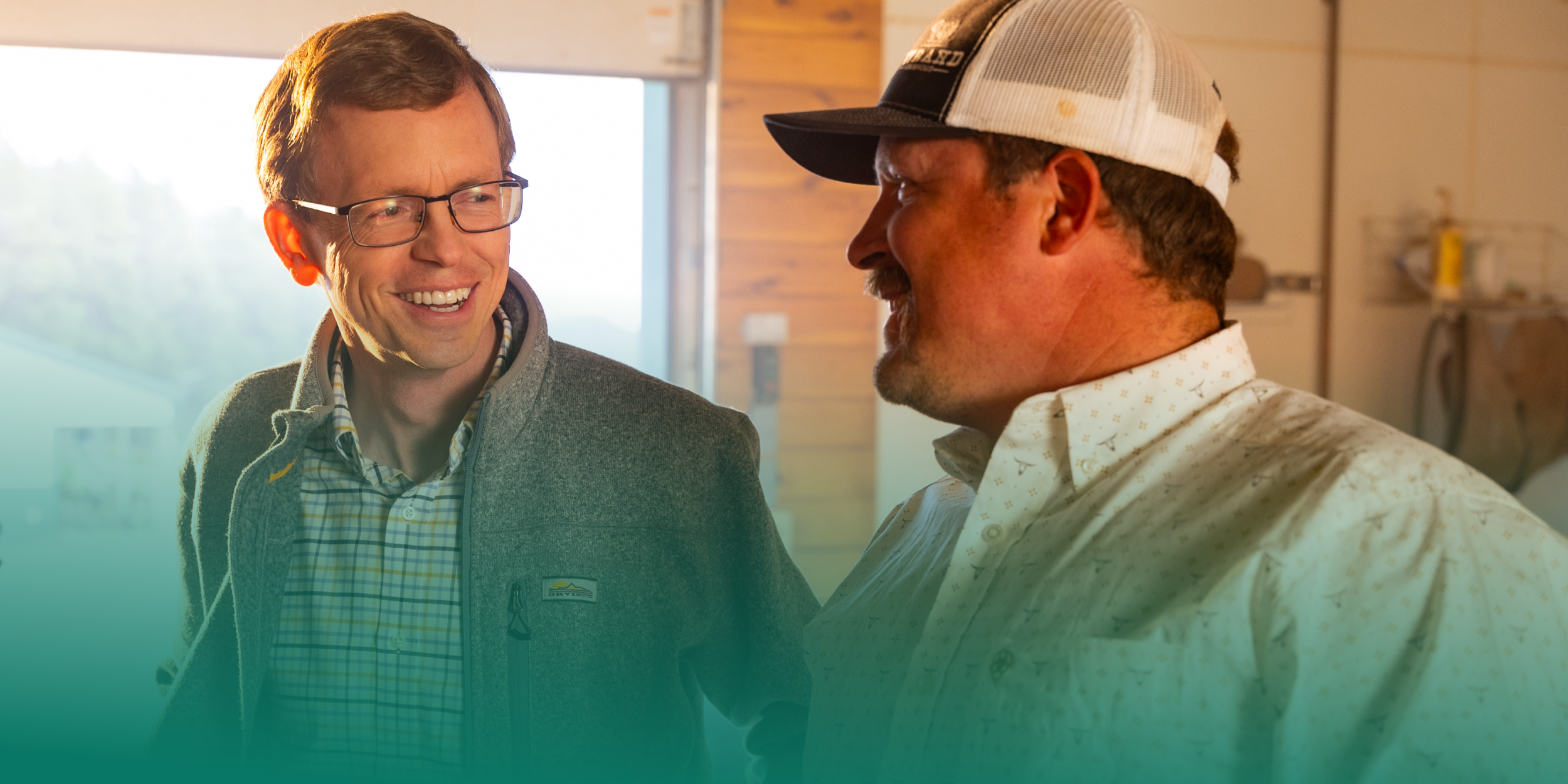
South Dakota can reduce property taxes and be a national leader in the AI revolution, but only if we have vision, drive, and a plan. With Dusty’s 'Data Centers Done Right' initiative, we can make sure our state is home to data centers that make our electrical grid, water supply, quality of life, and economy stronger. Only projects that contribute more than they take will be eligible.
Currently, South Dakota is not a competitive location for data centers because the state's taxes on data centers are significantly higher than in other states. In fact, South Dakota is one of only two states in the region that charge taxes on electronic equipment. State law currently allows an optional rebate of those taxes, but the lack of certainty on that tax treatment has driven projects elsewhere.
Johnson's "Data Centers Done Right" initiative will convert the current permissive tax rebate on electronic equipment to a standard rebate or exemption for eligible projects which meet certain requirements. Key requirements include:
Data Centers Done Right
Once implemented, the "Data Centers Done Right" initiative could result in the construction of AI factories that collectively pay more than $200 million in property taxes to state and local governments over the next 10 years. Data centers are a critical component of AI dominance, and when sited correctly, they provide tremendous benefit to local communities. For example, an AI data center proposed for Deuel County would pay an estimated $5 million in property taxes annually. The current annual budget for Deuel County is $11 million, and the budget for the Deubrook School District is $3.4 million.
-
Before projects can be deemed eligible, it must be determined that the project "will not impose an undue burden on existing electric users" in South Dakota.
-
Before projects can be deemed eligible, it must be determined that the project "will not impose an undue burden on water quality or existing water users" in South Dakota.
-
Before projects can be deemed eligible, it must be determined that even after the rebate is granted, the project "would pay substantial property taxes to county, school, and other local governments," and "would pay substantial sales taxes to state government" over the course of the next five years.
-
Before projects can be deemed eligible, it must be determined that the project "will create jobs with an average total compensation greater than the average total compensation of hourly workers in that area."
Safer South Dakota
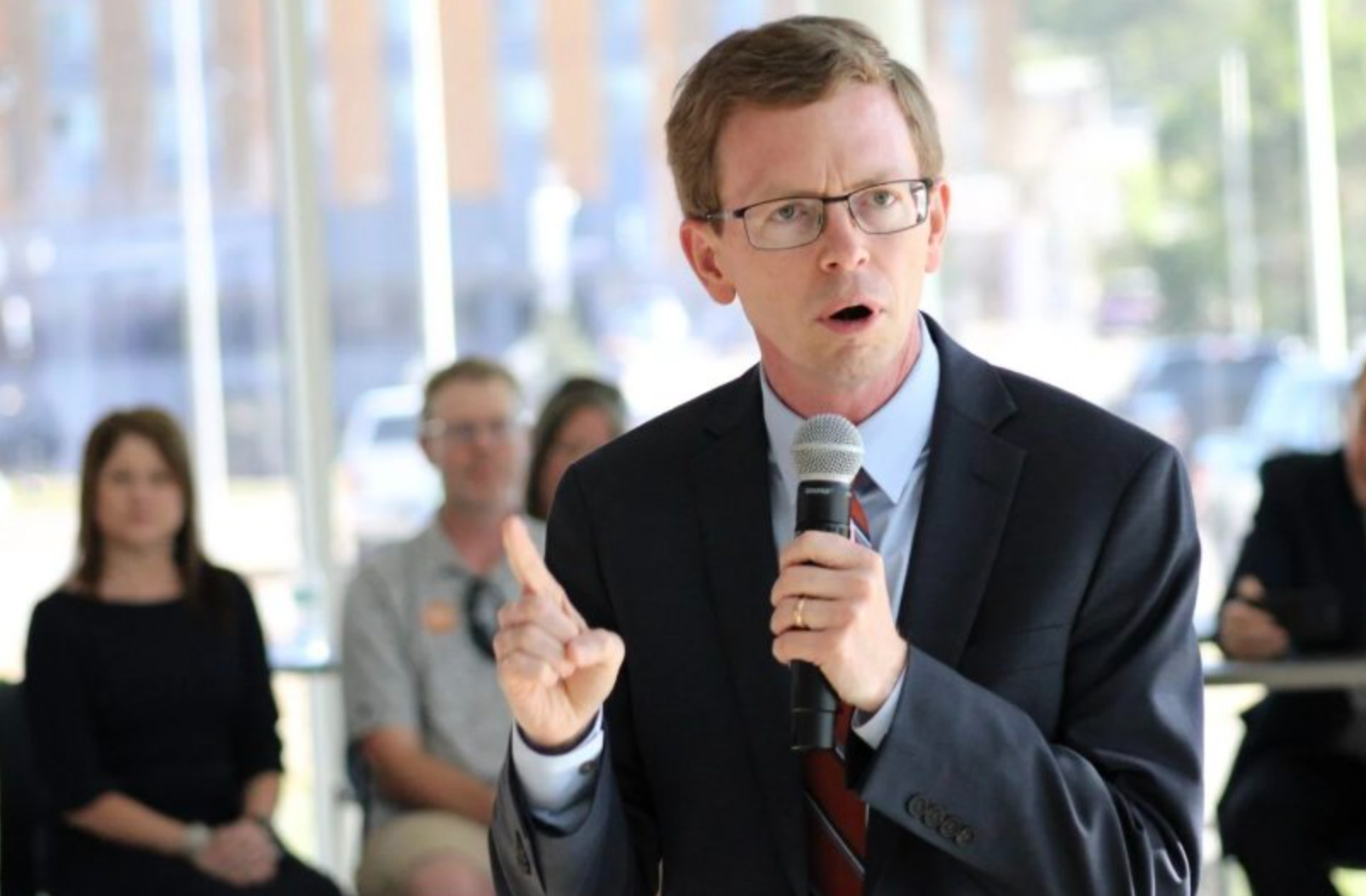
Dusty Johnson’s Safer South Dakota initiative aims to hold drug dealers accountable and reduce South Dakota’s drug overdose deaths through targeted prevention and accountability.
“As I speak with law enforcement and victims, it’s clear South Dakota can do better,” said Johnson. “My plan ensures we have increased accountability and the improved tools needed to tackle the drug epidemic and go after drug dealers.”
Safer South Dakota will focus on the following areas:
-
On Day 1, Johnson will create the Supervision and Release Task Force, with representatives from law enforcement, the judicial branch, and the Board of Pardons and Paroles to improve probation and parole supervision of offenders. The task force will also aim to reform the commutation and clemency process in South Dakota to help ensure violent criminals are prevented from repeatedly harming the public. This task force will be co-chaired by Minnehaha County State’s Attorney Daniel Haggar and former Pennington County Sheriff Kevin Thom. The South Dakota State Fraternal Order of Police was consulted and will have a member on the task force.
-
As Governor, Johnson will introduce legislation to create real consequences for dealers of fentanyl and methamphetamine by creating a presumption of distribution for offenders possessing large quantities of fentanyl and methamphetamine.
-
Johnson will introduce legislation to explicitly require schools to provide parental notification when a minor has an overdose or drug-related emergency. Other states, including Virginia, have implemented similar steps to make sure parents are notified when their child needs help.
-
As Governor, Johnson will commit to providing real-time tracking for overdose data and providing yearly updates to the state legislature. This will ensure community advocates and elected officials can better identify gaps that can be addressed in real time. Thanks to the leadership of Republicans in Congress and President Trump, national overdose deaths are down 19.7%. But in South Dakota, these rates are only down 11.7% and opioid-related deaths are on the rise.